

“Once again Saltmarch has knocked it out of the park with interesting speakers, engaging content and challenging ideas. No jetlag fog at all, which counts for how interesting the whole thing was.”
Cybersecurity Lead, PwC

“Very much looking forward to next year. I will be keeping my eye out for the date so I can make sure I lock it in my calendar.”
Software Engineering Specialist, Intuit

“Best conference I have ever been to with lots of insights and information on next generation technologies and those that are the need of the hour.”
Software Architect, GroupOn

“Happy to meet everyone who came from near and far. Glad to know you've discovered some great lessons here, and glad you joined us for all the discoveries great and small.”
Web Architect & Principal Engineer, Scott Davis
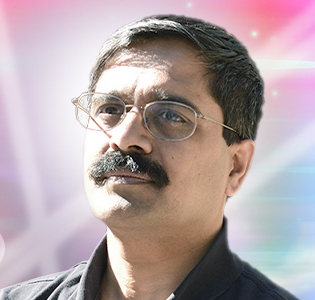
“Wonderful set of conferences, well organized, fantastic speakers, and an amazingly interactive set of audience. Thanks for having me at the events!”
Founder of Agile Developer Inc., Dr. Venkat Subramaniam

“What a buzz! The events have been instrumental in bringing the whole software community together. There has been something for everyone from developers to architects to business to vendors. Thanks everyone!”
Voltaire Yap, Global Events Manager, Oracle Corp.
NullPointerExceptions have long been a source of frustration for Java developers, turning minor oversights into production issues. Null-safety in Java, however, is more than defensive coding—it reflects the language’s evolution toward expressing the absence of a reference more clearly. This session traces that journey from early practices like if (x != null) checks and the Null Object pattern, through annotations, Objects.requireNonNull, and design approaches such as using empty collections instead of null. It also explores how null-safety influenced API design, including the introduction of Optional and its role in making the Stream API more expressive.
Attendees will also learn how static analyzers, linters, and standards like JVerify help prevent unsafe code, and how upcoming JVM-level features in Project Valhalla aim to strengthen nullability guarantees. You will leave with a clear roadmap of how Java’s approach to null-safety has evolved, what tools and techniques are effective today, and what lies ahead for safer, more robust code.
What You Will Learn
The historical evolution of null-safety in Java and its impact on language design
Modern best practices for handling nulls using Optional, annotations, and static analysis
What upcoming JVM-level changes such as Project Valhalla mean for the future of null-safety
Who Should Attend
Java developers, software engineers, and architects interested in writing safer, more maintainable Java code and understanding how null-safety continues to evolve in the platform.