
“Once again Saltmarch has knocked it out of the park with interesting speakers, engaging content and challenging ideas. No jetlag fog at all, which counts for how interesting the whole thing was.”
Cybersecurity Lead, PwC

“Very much looking forward to next year. I will be keeping my eye out for the date so I can make sure I lock it in my calendar.”
Software Engineering Specialist, Intuit

“Best conference I have ever been to with lots of insights and information on next generation technologies and those that are the need of the hour.”
Software Architect, GroupOn
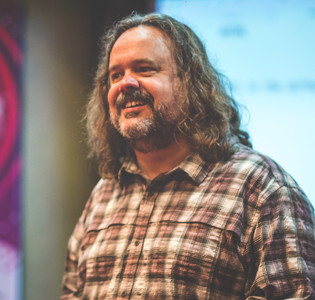
“Happy to meet everyone who came from near and far. Glad to know you've discovered some great lessons here, and glad you joined us for all the discoveries great and small.”
Web Architect & Principal Engineer, Scott Davis
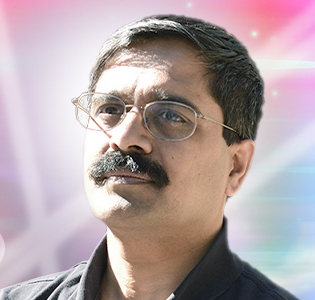
“Wonderful set of conferences, well organized, fantastic speakers, and an amazingly interactive set of audience. Thanks for having me at the events!”
Founder of Agile Developer Inc., Dr. Venkat Subramaniam

“What a buzz! The events have been instrumental in bringing the whole software community together. There has been something for everyone from developers to architects to business to vendors. Thanks everyone!”
Voltaire Yap, Global Events Manager, Oracle Corp.
Many teams understand how to structure microservices but struggle with how those services should communicate. The result is often a distributed “Big Ball of Mud.” In this session, Neal Ford introduces the concept of the architecture quantum, a unit of architectural measurement that helps identify communication boundaries and define both static and dynamic coupling.
Attendees will learn practical techniques for finding the right level of service granularity using integrators and disintegrators, tools for iterating toward optimal service boundaries. The session also explores how to make informed decisions about synchronous versus asynchronous communication, balancing consistency, coordination, and transactional behavior. Finally, Neal discusses eight distinct saga patterns and how to apply each effectively in distributed systems.
What You Will Learn
How to use architecture quanta to identify service boundaries and measure coupling
Techniques for determining the right microservice granularity using integrators and disintegrators
How to choose between synchronous and asynchronous communication models
When and how to apply different saga patterns for distributed transactions
Who Should Attend
Software architects, senior developers, and engineering leaders designing or evolving microservice-based systems who want to improve communication, coordination, and service granularity.