

“Once again Saltmarch has knocked it out of the park with interesting speakers, engaging content and challenging ideas. No jetlag fog at all, which counts for how interesting the whole thing was.”
Cybersecurity Lead, PwC

“Very much looking forward to next year. I will be keeping my eye out for the date so I can make sure I lock it in my calendar.”
Software Engineering Specialist, Intuit

“Best conference I have ever been to with lots of insights and information on next generation technologies and those that are the need of the hour.”
Software Architect, GroupOn
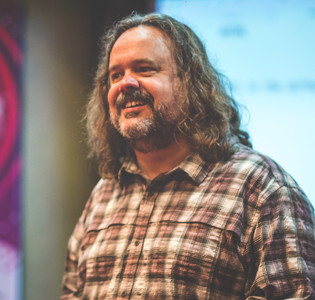
“Happy to meet everyone who came from near and far. Glad to know you've discovered some great lessons here, and glad you joined us for all the discoveries great and small.”
Web Architect & Principal Engineer, Scott Davis
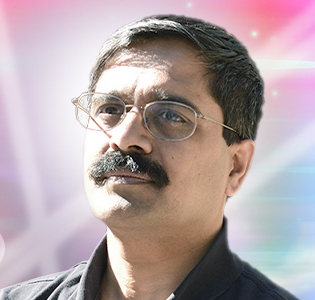
“Wonderful set of conferences, well organized, fantastic speakers, and an amazingly interactive set of audience. Thanks for having me at the events!”
Founder of Agile Developer Inc., Dr. Venkat Subramaniam

“What a buzz! The events have been instrumental in bringing the whole software community together. There has been something for everyone from developers to architects to business to vendors. Thanks everyone!”
Voltaire Yap, Global Events Manager, Oracle Corp.
AI coding agents are now widely used by software developers, but they introduce a subtle and often overlooked problem. The chat-style interface encourages human conversational habits that do not align with how large language models process information. This mismatch leads to context contamination, loss of relevant details, drift, bias, and gradual degradation of outputs, all of which can quietly undermine code quality.
This session presents practical, methodical approaches to creating and managing context when working with AI coding agents. It introduces tool-agnostic techniques for scoping context, preventing contamination, maintaining context quality, and recovering when context breaks down. By moving beyond the chat metaphor and treating context as an information architecture problem, teams can shift from reactive troubleshooting to proactive design and achieve more consistent, reliable results from LLMs.
What You Will Learn
Why chat-based interaction patterns cause context contamination and output degradation
Techniques for scoping, maintaining, and recovering context in AI-assisted workflows
How to design context deliberately to align with how LLMs process information
Who Should Attend
Software Developers
Software Architects
Technical Leads
Teams using AI coding agents in daily development work