

“Once again Saltmarch has knocked it out of the park with interesting speakers, engaging content and challenging ideas. No jetlag fog at all, which counts for how interesting the whole thing was.”
Cybersecurity Lead, PwC

“Very much looking forward to next year. I will be keeping my eye out for the date so I can make sure I lock it in my calendar.”
Software Engineering Specialist, Intuit

“Best conference I have ever been to with lots of insights and information on next generation technologies and those that are the need of the hour.”
Software Architect, GroupOn
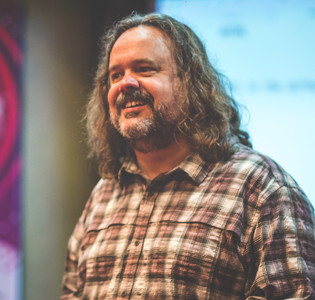
“Happy to meet everyone who came from near and far. Glad to know you've discovered some great lessons here, and glad you joined us for all the discoveries great and small.”
Web Architect & Principal Engineer, Scott Davis

“Wonderful set of conferences, well organized, fantastic speakers, and an amazingly interactive set of audience. Thanks for having me at the events!”
Founder of Agile Developer Inc., Dr. Venkat Subramaniam

“What a buzz! The events have been instrumental in bringing the whole software community together. There has been something for everyone from developers to architects to business to vendors. Thanks everyone!”
Voltaire Yap, Global Events Manager, Oracle Corp.
Generative AI systems are evolving beyond single-shot prompts toward closed-loop reasoning, a structured process of planning, acting, observing, reflecting, and refining until a verifiable goal is achieved. This session takes a practical, production-focused look at how to build such real-time reasoning agents from first principles.
Attendees will learn how to wire planning, memory, and tool use into adaptive reasoning loops that keep agents focused and reliable. The session compares frameworks such as BAML and PydanticAI, demonstrating tool calling (for APIs, retrieval, and structured outputs), short- and long-term memory management, and guardrails for control and observability. A live mini-demo will show an agent that plans research steps, calls tools, inspects evidence, revises its plan, and produces a structured, verifiable output, all in real time.
What You Will Learn
How to design a THINK → ACT → THINK reasoning loop with clear state, termination, and fallback logic
Strategies for managing short-term and long-term memory to balance efficiency and persistence
How to evaluate and select orchestration frameworks for real-time reasoning and production readiness
Who Should Attend
AI engineers, software architects, and developers building reliable, adaptive agents that perform multi-step reasoning, data synthesis, and goal-directed problem solving.